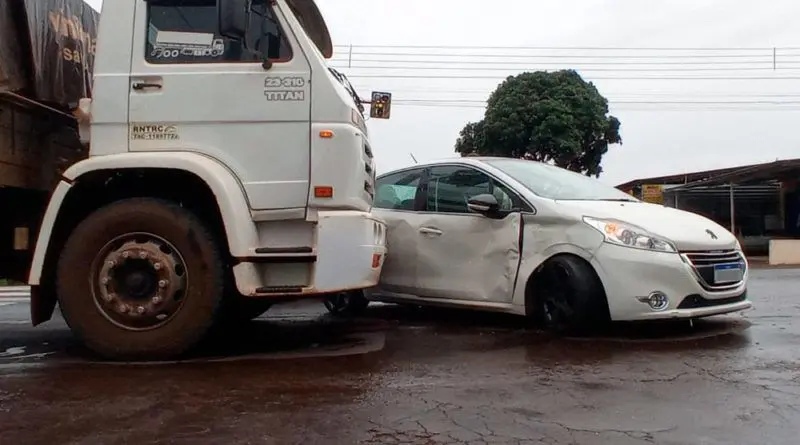
When you’re involved in a crash with a commercial truck, the trucking company and their insurance carrier may try to shift blame onto you. However, trucking safety manuals and federal regulations set clear expectations for truck driver behavior-expectations that, when violated, often establish the truck driver’s liability. As a personal injury attorney, I want you to understand exactly how these rules work in your favor if you’re the victim of a truck crash. Below, I’ll break down three of the most common accident scenarios-blind spot collisions, rear-end crashes, and right-side blind spot accidents-using direct quotes from trucking safety manuals, plain-English explanations, and real-world examples
Manual Quote: “Truck drivers are responsible for checking their blind spots just as drivers of other vehicles are responsible for checking their blind spots. Truck drivers need to use their mirrors and other technology in their vehicles to determine if a vehicle is in a blind spot. Truck drivers also need to be aware of the amount of traffic around them and take their time to make sure it is safe to change lanes before doing so.”
What This Means for Your Case: If you were sideswiped by a truck during a lane change, the law and the trucking company’s own safety manuals are clear: the truck driver is responsible for making sure the lane is clear before moving over. Trucks have large blind spots, but that’s exactly why drivers are trained and required to check their mirrors, use any available cameras or sensors, and only change lanes when it’s absolutely safe.
Real World Example: Suppose you were driving in your lane and a truck merged into you. The truck driver might claim you “came out of nowhere” or were “in their blind spot.” However, the official safety manual puts the responsibility on the truck driver to check all blind spots and not make a lane change unless they are certain it’s clear. If they failed to do that, they are at fault.
Crash Image Example:
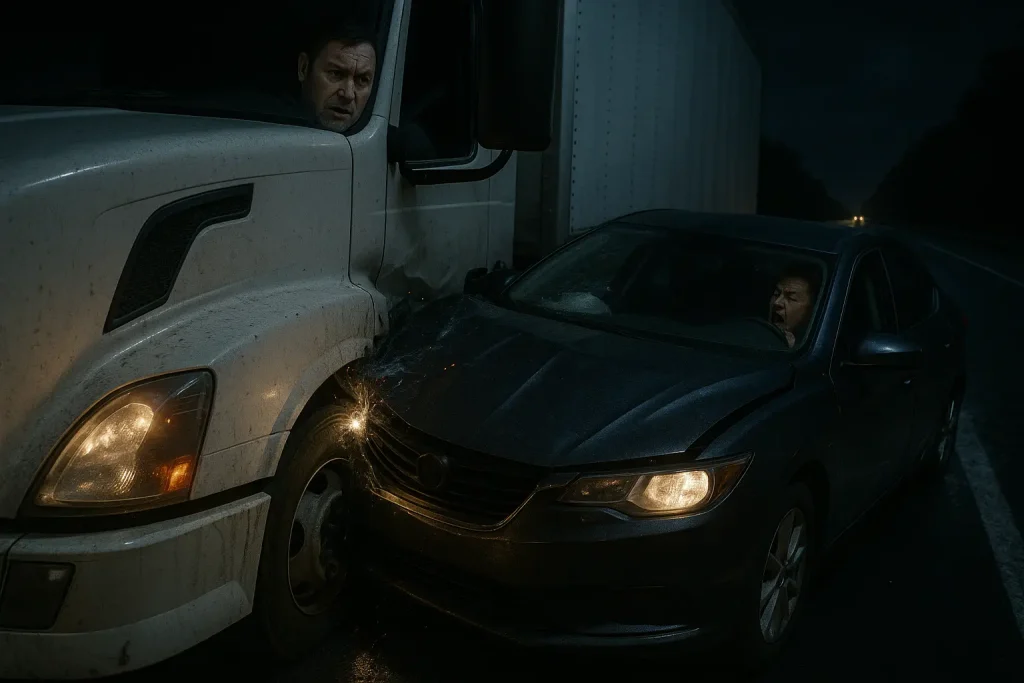
Typical blind spot collision: a truck sideswiping a car during a lane change.
Manual Quote: “Always maintain a minimum of 6 seconds following distance; this not only prevents a fender accident with the vehicle in front of the truck but also forces the driver to switch lanes quickly if they are not able to break in time to avoid collision with the vehicle in front of them.”
What This Means for Your Case: If a truck rear-ended your vehicle, the trucking company’s safety policy and federal regulations require the driver to keep a safe distance-at least six seconds-behind the car in front. This rule exists because trucks need much more time to stop than passenger cars. If the truck was following too closely, it doesn’t matter if you had to brake suddenly; the truck driver is still responsible for not maintaining a safe following distance.
Real World Example: Imagine you had to brake quickly for traffic, and a truck hit you from behind. The truck driver might try to blame you for stopping short. But the manual makes it clear: if the driver had kept the required distance, they would have had time to stop. Not following this rule is considered negligence.
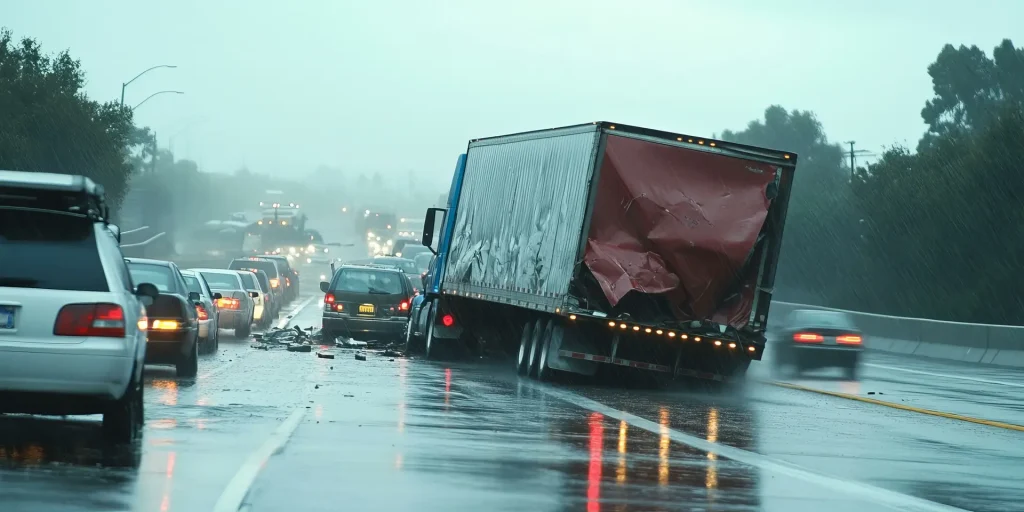
Crash Image Example:
Manual Quote: “The Right Side – This blind spot extends further out than the left side and is one of the most dangerous zones. Trucks should avoid abrupt lane changes and carefully monitor this area.”
What This Means for Your Case: If you were struck by a truck moving into your lane or turning right, the trucking company’s own manual recognizes the right-side blind spot as especially dangerous. Drivers are trained to avoid sudden lane changes and to check this area carefully. If a truck hit you while merging or turning right, it’s likely the driver failed to follow these critical safety steps.
Real-World Example: Suppose you were driving next to a truck and it suddenly moved right, hitting your vehicle. Even if you were in the truck’s blind spot, the manual says the driver must check thoroughly and only move when it’s safe. If they didn’t, they are responsible for the crash.
Crash Image Example:
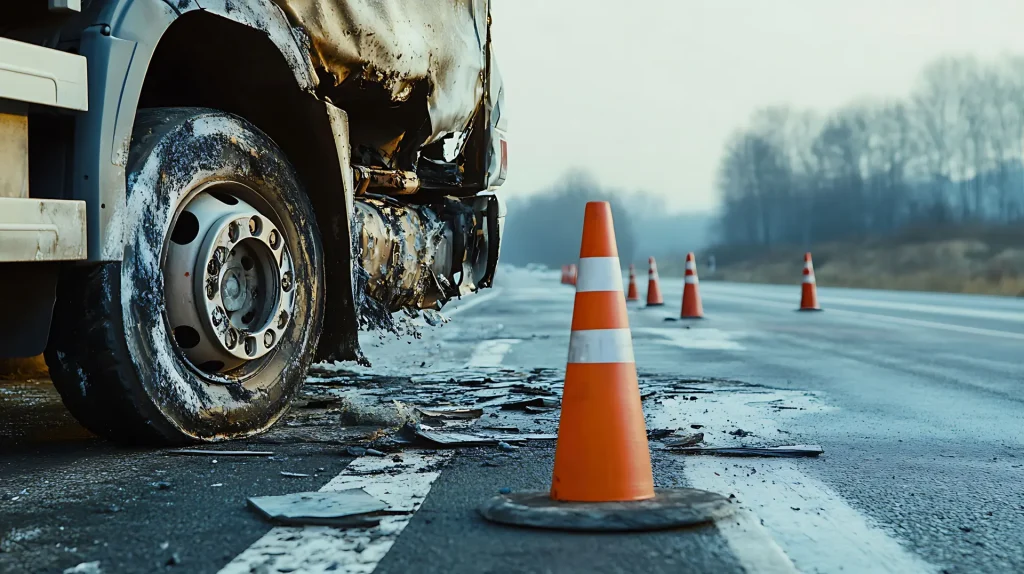
“Squeeze play” accident: a car caught in a truck’s right-side blind spot during a turn.
Truck drivers are held to strict safety standards for checking blind spots, maintaining following distances, and making safe lane changes. If you were injured in a crash involving a truck, these rules can help prove the driver’s negligence and support your claim for compensation. Photos of these types of accidents can be powerful evidence in your case.
If you or a loved one has been hurt in a truck accident, don’t let the trucking company shift the blame. Reach out to an experienced personal injury attorney who understands these rules and can fight for your rights.